Skip to content
Tools & calculators

Carpentry & measurement calculators

Choose the unit your material is sold by, then convert your measurements into a practical purchase count. Convert project dimensions into areas and volumes.

Fast estimatesResults in seconds
Clear methodSee what is measured
Free to useNo account needed
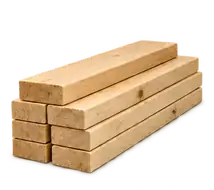
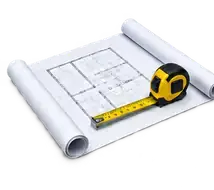
Lumber, plywood and measuring tools on a workbenchMeasure clearly
Plan with confidence ↗
Our calculators

Choose your calculator

Pick the tool that matches the material or measurement you need. Each result shows the assumptions behind the estimate.

How it works

Choose area, volume, or item count for the job

Square footage measures a surface, cubic yards measure a filled volume, and board feet measure lumber volume. Plywood and siding then convert coverage into whole sheets or panels; caulk turns joint dimensions into cartridges.

What to measure first

Decide which physical quantity the purchase is based on, then measure length, width, thickness, or joint depth in the relevant tool.

What to verify before ordering

A geometric result is not a cut list. Check sheet dimensions, usable coverage, joint shape, and any waste allowance against the actual product.

Worked example · Plywood Calculator12 ft × 10 ft surface; 4 × 8 ft sheets120 ft² ÷ 32 ft² per sheet
Example result4 sheetsWhole-sheet area count before layout cuts and waste.
How BuildMeasurement calculates estimates

Common mistakes to avoid

  • Confusing square feet with cubic feet
  • Treating an area result as a cut plan
  • Using nominal coverage instead of usable coverage
Need to calculate for your project?

Use Plywood Calculator for a measurement-based starting estimate.

Try Plywood Calculator
Field guides

Carpentry & measurement guides

Worked examples that explain the measurements, allowances, and purchase rounding behind these calculators.

All guides →
Carpentry ·

How many feet does a tube of caulk cover?

A 10.1 oz tube lays about 55 ft of 3/16 in round bead, 31 ft of 1/4 in round bead, or 24 ft of a 1/4 × 1/4 in joint. See the math and tube counts.