



Concrete ·
How Much Concrete for a 10×10 Slab at 4, 5 or 6 Inches?
Compare cubic yards and whole 60- or 80-pound concrete bags for a 10×10-foot slab at three thicknesses.
Estimate concrete volumes, bag counts, and masonry materials with ease. Choose the tool that matches your project and get accurate estimates in just a few simple steps.
 Build Smarter
Select a calculator below to get started. Each tool is designed to help you plan, calculate and complete your project with confidence.
Estimate concrete for slabs, walls, footings, columns, steps, and curbs by volume or bag.
Open calculatorCalculate the concrete needed for a patio, pad, or slab.
Open calculatorTurn a pour volume into bags of premixed concrete.
Open calculatorPlan bricks and rough mortar volume for one or two-wall builds.
Open calculatorEstimate wall-facing blocks and pallet quantities.
Open calculatorConvert brick or block joints into mortar bags.
Open calculatorConcrete volume depends on the inside form dimensions and finished depth. A slab calculator answers how many cubic yards the pad needs; a bag calculator converts a known volume into whole bags using the selected mix yield. Brick, block, and mortar tools measure separate parts of a masonry wall.
Measure length, width, and depth for each differently sized section. For a wall, record actual unit dimensions, joint thickness, and openings.
Confirm ready-mix delivery increments or the finished yield printed on each bag. Wall unit counts do not include structural design or reinforcement.
Use our concrete calculator for instant material estimates.
Worked examples that explain the measurements, allowances, and purchase rounding behind these calculators.
Compare cubic yards and whole 60- or 80-pound concrete bags for a 10×10-foot slab at three thicknesses.
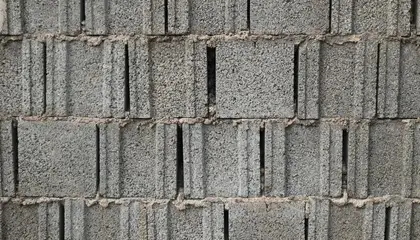
A 10 × 10 ft wall needs 113 standard block equivalents, or 119 with 5% added. See how openings, half blocks, and pallets change the order.

Work out concrete per fence post from hole size, post size, gravel and bag yield, with 4×4 and 6×6 examples for 50, 60 and 80 lb bags.
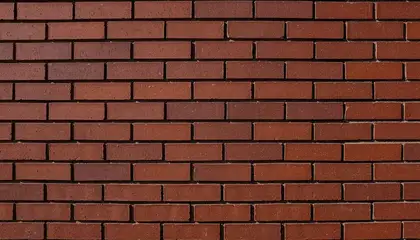
Estimate a brick wall from its net face area and the brick-plus-joint module, then check cuts, openings, and pack sizes.
Bag weight is not poured volume. Use the product's finished yield to compare whole bags with a ready-mix volume.
A small change in slab thickness can move the concrete order by several tenths of a yard. Measure the prepared base before you buy.