

Landscaping ·
How Much Gravel for a 100-Foot Driveway?
See cubic-yard estimates for a 100-by-12-foot driveway at three gravel depths, with a separate check for tons and compaction.

Measure the footprint and depth of each outdoor layer before converting it to bags or bulk volume. Estimate bulk material for outdoor projects.
Pick the tool that matches the material or measurement you need. Each result shows the
assumptions behind the estimate.
Estimate gravel volume for a measured area.
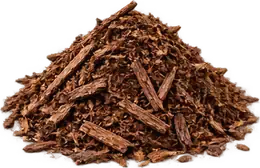
Open calculator →Find mulch volume, bags, or bulk orders.
Open calculator →Plan pavers and find the quantity needed.
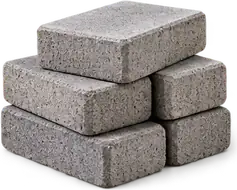
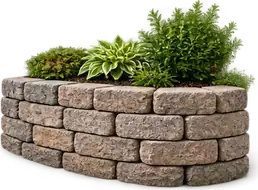
Open calculator →Estimate wall facing blocks and materials.
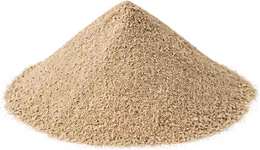
Open calculator →Find sand volume for paver installation.
Open calculator →Estimate sand fill by volume, bags, bulk and weight.
Open calculator →Find topsoil volume for lawn and garden beds.
Open calculator →Estimate paving mix by compacted volume and coverage.
Open calculator →From gravel to topsoil, our calculators help you measure the footprint, depth and material needs for your landscaping projects.
Measure the area (length × width) and the depth of each layer.
Check material type, compaction, and product size. Confirm coverage and adjust for wastage.
See the total volume, bags or bulk quantity with clear assumptions.
Use our landscaping calculators for a measurement-based starting estimate.
Worked examples that explain the measurements, allowances, and purchase rounding behind these calculators.
See cubic-yard estimates for a 100-by-12-foot driveway at three gravel depths, with a separate check for tons and compaction.
Calculate topsoil for a 1,000-square-foot lawn at 1, 2, or 3 inches deep, then compare cubic yards with 2-cubic-foot bags.
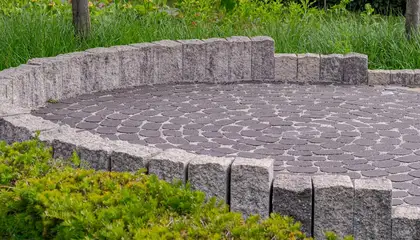
A 12×12 patio needs 630 straight-grid positions with 4×8 in pavers and ⅛ in joints in this example. See the math, cuts, waste, and whole-pack count.

Separate the base, bedding course, and joint material before calculating the sand quantity for a patio.

Calculate mulch bags from bed area, depth, and bag volume. Compare a 100 sq ft example with a bulk cubic-yard order and a separate allowance.
A clear example of converting surface area and layer depth into cubic yards, with a check on weight and supplier units.