

Painting & drywall
How Many Wallpaper Rolls for a 12×12 Room?
Count wallpaper drops and whole rolls for a 12×12-foot room, then adjust for roll size, trimming and pattern repeat.

Practical notes for measuring, planning and buying materials. Read the method, then use the matching calculator on your own project.
26 guides for your next project
Count wallpaper drops and whole rolls for a 12×12-foot room, then adjust for roll size, trimming and pattern repeat.

Compare cubic yards and whole 60- or 80-pound concrete bags for a 10×10-foot slab at three thicknesses.
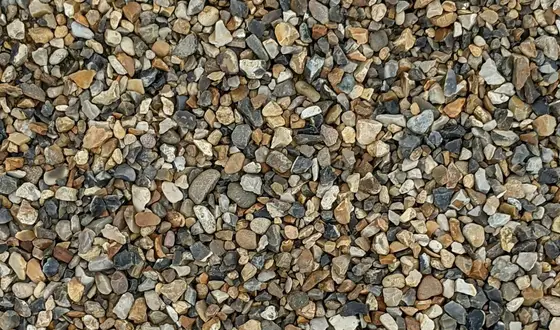
See cubic-yard estimates for a 100-by-12-foot driveway at three gravel depths, with a separate check for tons and compaction.

Calculate topsoil for a 1,000-square-foot lawn at 1, 2, or 3 inches deep, then compare cubic yards with 2-cubic-foot bags.

A 10 × 10 ft wall needs 113 standard block equivalents, or 119 with 5% added. See how openings, half blocks, and pallets change the order.
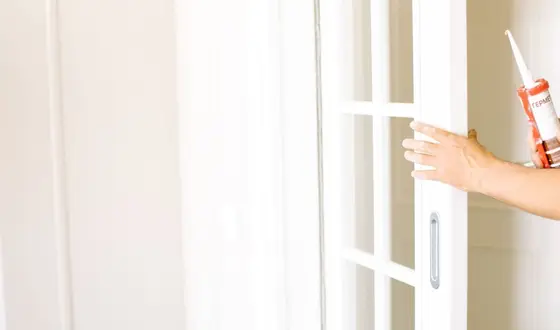
A 10.1 oz tube lays about 55 ft of 3/16 in round bead, 31 ft of 1/4 in round bead, or 24 ft of a 1/4 × 1/4 in joint. See the math and tube counts.

Four 4×8 sheets are the area minimum for a 10×12 shed floor. See a four-sheet cut sketch, when a fifth sheet is needed, and what to check before buying.
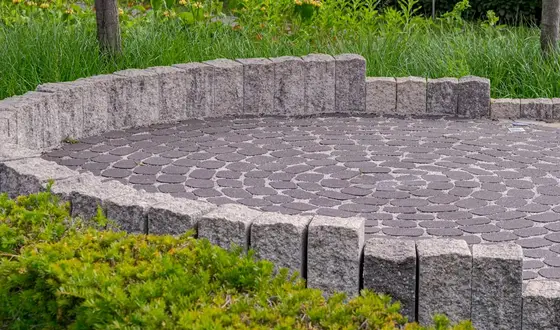
A 12×12 patio needs 630 straight-grid positions with 4×8 in pavers and ⅛ in joints in this example. See the math, cuts, waste, and whole-pack count.

A 12×12 deck needs about 520 face screws in this example. Count board rows and joist crossings, then allow for joints and whole boxes.

Work out concrete per fence post from hole size, post size, gravel and bag yield, with 4×4 and 6×6 examples for 50, 60 and 80 lb bags.

Break an irregular floor into rectangles or subtract a clear cutout, then carry the measured area into a material calculator.
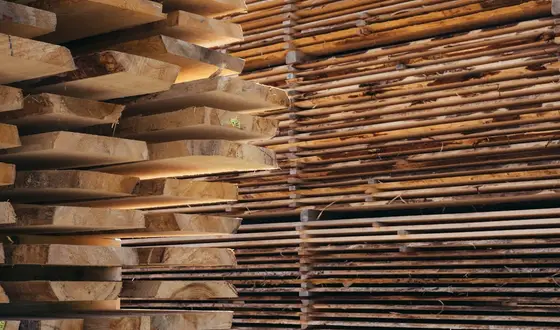
One measures lumber volume; the other measures length. Keep the distinction clear when comparing stock lists and prices.
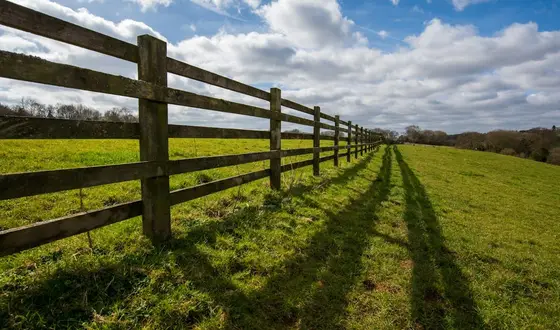
Count posts for a straight fence run: four 8 ft panels need five posts. Check actual panel coverage and plan gates or corners separately.
Board width, gap, direction, and available length can change a deck purchase even when the square footage stays fixed.

Separate the base, bedding course, and joint material before calculating the sand quantity for a patio.

Calculate mulch bags from bed area, depth, and bag volume. Compare a 100 sq ft example with a bulk cubic-yard order and a separate allowance.
A clear example of converting surface area and layer depth into cubic yards, with a check on weight and supplier units.
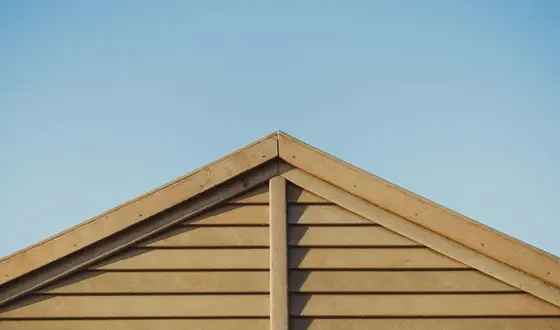
A 6:12 roof pitch is about 26.6°. See how to find rise and slope length from horizontal run without confusing run with the full building span.

A pitched roof needs a slope factor before you convert surface area into roofing squares or bundles.
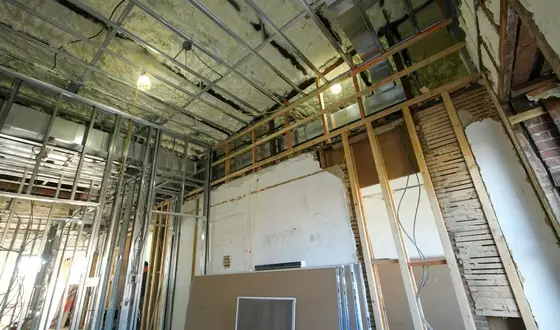
A sheet count needs area, but seam placement, openings, and board size still decide what can be cut and reused.
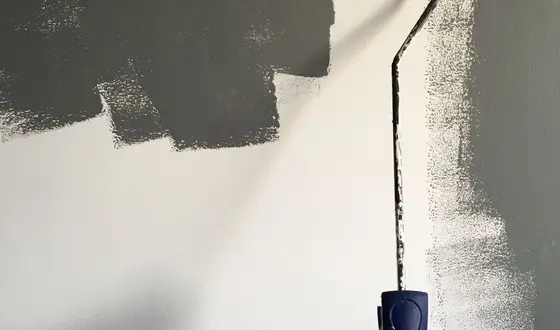
For a 12 × 10 ft room, see how wall height, a door, a window, two coats, and the selected paint's coverage affect the gallon estimate.

Turn a measured floor into cartons without confusing net area, cutting allowance, and the coverage printed on each pack.

Measure the tiled area, think through edge cuts, and convert the waste-adjusted requirement into real box quantities.
Estimate a brick wall from its net face area and the brick-plus-joint module, then check cuts, openings, and pack sizes.
Bag weight is not poured volume. Use the product's finished yield to compare whole bags with a ready-mix volume.
A small change in slab thickness can move the concrete order by several tenths of a yard. Measure the prepared base before you buy.
No articles match this search. Try a different topic or category.
Showing 12 of 26 articles