Skip to content
Concrete & masonry calculator

Mortar Calculator

Estimate the mortar filling bed and head joints around a known number of bricks or blocks. Enter the finished mortar yield printed for the mix you will buy.

✓   Clear calculations✓   No account required✓   Free to use
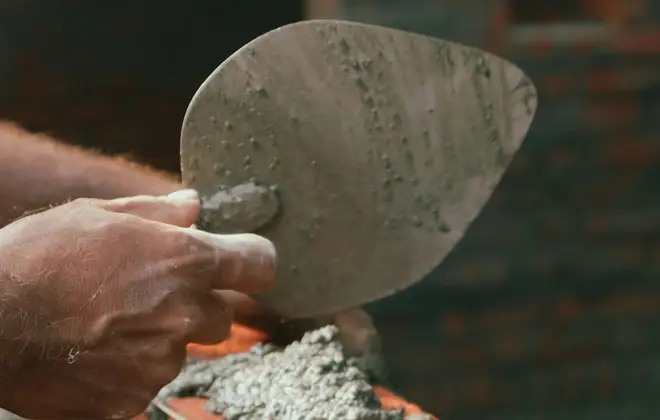
Trowel applying mortar to brickworkMeasure your project
Check the result ↗

Project dimensions

Enter your project measurements.
in
in
in
in
ft³
Use the mixed yield printed for your exact mortar product.
%
$
Enter prices in the selected currency. Changing currency does not convert the prices you entered.

Your measurements are calculated in this browser and are not sent to a server.

Measurement guide

Measure the brick and joint

Use actual unit dimensions and the intended bed and head joint thickness.

Before calculating

Measure the actual masonry unit and the planned bed and head joints. Check the finished yield on the mortar bag for your selected mix.

Your measurements
Unit length 7 5/8 inUnit height 2 1/4 inUnit depth 3 5/8 inJoint thickness 3/8 in
Unit lengthUnit heightJoint

Your results

Estimated material quantity for your project.

✓ Calculation complete
Masonry mortar joints500 bricks · joint 0.375 in
Live 3D

Drag to rotate or choose an angle. Repeated materials are limited in the model; measurements and estimate use your full values.

Calculated requirement
4.03ft³
Mortar geometry for 500 bricks
Recommended purchase
9 bags

10% allowance with user-entered finished yield per bag.

How this estimate was calculated

Masonry units500
Raw mortar volume4.032 ft³ · 114.17 L
Volume with waste125.58 L
Yield per bag0.5 ft³
Bags before rounding8.87
Whole bags to buy9

Representative running-bond bed and head joints around each masonry unit, full unit depth. Intersections, waste in the mixer, reinforcement, cores, and product-specific yield differences are represented only by user inputs.

Need help with your project?Check the method, assumptions, and related calculators below.
Explore all calculators →

How to use this calculator

  1. Choose brick or concrete block, then enter the actual number of units.
  2. Check actual unit dimensions and intended joint thickness; presets are editable.
  3. Replace the sample mixed yield per bag with the exact product value, then enter waste and optional price.

Measure the project correctly

Use actual unit dimensions, especially depth through the wall. Nominal brick/block dimensions often include a planned joint.

Count units from the wall plan or use the Brick/Concrete Block calculators first. Openings should already be reflected in the unit count.
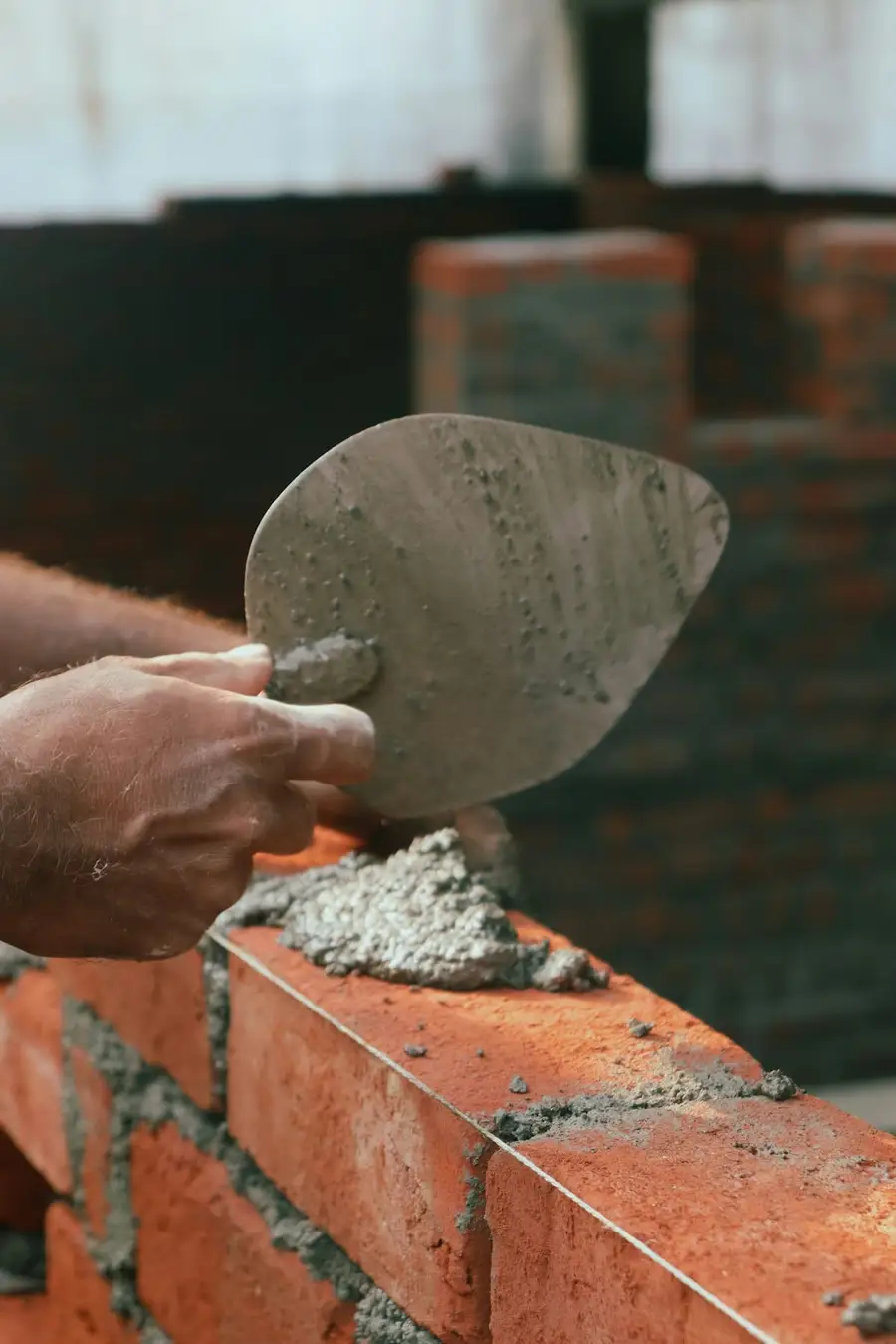
Trowel applying mortar to brickwork
Trowel applying mortar to brickwork. Photo: Gowtham AGM / Unsplash

The calculation

Mortar per unit = [(unit length + joint) × (unit height + joint) − unit length × unit height] × unit depth. Bags = round up(unit count × mortar per unit × (1 + waste ÷ 100) ÷ mixed yield per bag).

The formula models one repeating face module, including bed and head joints through unit depth. It is a planning estimate; corners, bond changes and joint tooling can change consumption.

Mixed yield is an editable product property. Bag weight cannot be converted to mortar volume without the manufacturer’s yield.

Worked example

For 500 actual 7⅝ × 2¼ × 3⅝ in bricks, use ⅜ in joints, 10% waste and an illustrative mixed yield of 0.5 ft³ per bag.

Step-by-step Mortar Calculator worked example
StepCalculationResult
Face module(7⅝ + ⅜) × (2¼ + ⅜)21 in²
Mortar per brick(21 − 17.15625) × 3⅝13.93 in³
Raw mortar13.93 × 500 ÷ 1,7284.03 ft³
Allow waste4.03 × 1.104.44 ft³
Whole bags4.44 ÷ 0.5; round up9 bags

The 0.5 ft³ yield is an example input, not a universal mortar specification. Check the exact mix data sheet before buying.

How to read the result

Raw volume
Modeled volume in repeating bed and head joints.
Yield per bag
User-entered finished mortar volume from one bag.
Bags to buy
Adjusted volume divided by yield and rounded up.

Before you buy materials

Use a manufacturer’s approximate mixed yield for the selected bag and mortar type.

Keep mortar needs separate from brick/block purchase; the count of units and the volume of joints are different quantities.

Common estimating mistakes

  • Using a nominal block size as its physical size: Enter actual unit dimensions and the separate intended joint.
  • Converting bag weight directly to volume: Use the product’s approximate mixed mortar yield.

Assumptions and limits

  • Full-depth rectangular joints around a repeating unit face.
  • Cavity filling, reinforcement, wall design, labor, and variable tooling are excluded.
Questions & answers

Frequently Asked Questions

Common questions about the Mortar Calculator.

Does the calculator include block cores?
No. It estimates bed and head joints only, not core grout or reinforcement.
Can I use a different mortar brand?
Yes. Enter its own mixed yield per bag and price.
References & resources

Sources for Product Assumptions

See the original sources behind this mortar calculator's units, material data, and product examples. The exact steps used on this page are shown in the calculation and worked example.

Concrete materials and construction plans